
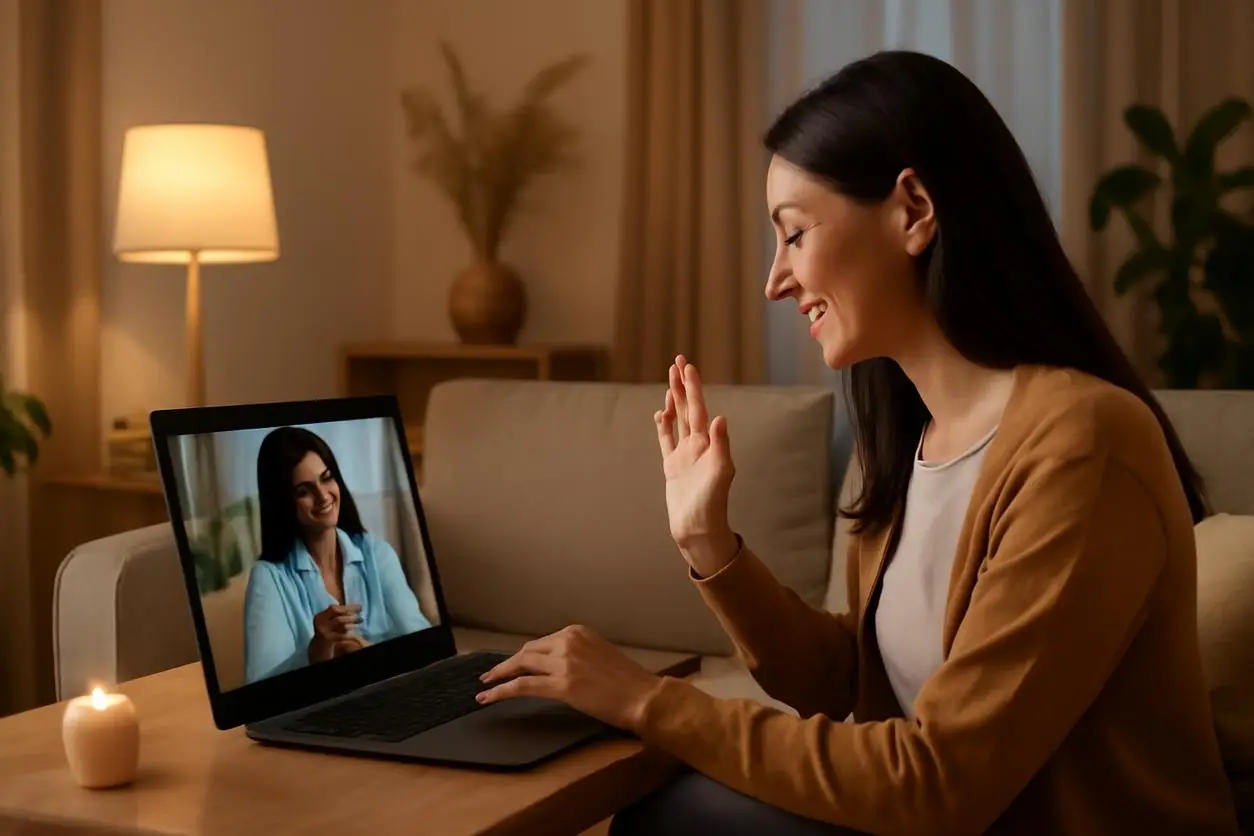
What is Online Therapy? A Modern Approach to Mental Wellness
Life can be incredibly demanding, and prioritizing your mental health is one of the most powerful steps you can take toward overall well-being. In the past, seeking support meant scheduling in-person appointments, which could involve long commutes, waiting lists, and scheduling challenges. Today, however, there is a flexible and effective alternative: online therapy. So, what exactly is it?
Online therapy, also known as teletherapy, e-therapy, or virtual counseling, is the delivery of mental health services and support over the internet. Instead of meeting in a traditional office, you connect with a licensed and credentialed therapist from the comfort and privacy of your own space. This connection can happen through various digital means, including video calls, phone calls, or even text-based messaging. The core of the experience remains the same: a confidential, supportive relationship with a professional dedicated to helping you navigate life’s challenges, develop coping skills, and work toward your personal goals. The growing field of online therapy makes professional mental healthcare more accessible than ever before.
Who Benefits from Virtual Therapy?
The convenience and accessibility of online therapy make it a suitable option for a wide range of individuals. While it can be a great fit for almost anyone, certain groups may find it particularly beneficial.
Adults with Busy Schedules
For working professionals, parents, or anyone juggling multiple responsibilities, finding an extra hour or two for an in-person appointment can feel impossible. Virtual therapy eliminates travel time and offers more flexible scheduling options, including evening or weekend sessions, making it easier to fit mental health support into a packed life.
Individuals with Physical Limitations or Chronic Illness
Mobility challenges, chronic pain, or compromised immune systems can make leaving home difficult and stressful. Online therapy removes this physical barrier, allowing individuals to receive consistent, quality care without the physical strain of travel.
People in Rural or Underserved Areas
If you live in a remote area, you might face a shortage of local mental health professionals, let alone a specialist who fits your specific needs. Virtual platforms connect you with a vast network of therapists from different locations, expanding your options significantly.
Caregivers and Parents of Young Children
Caring for others is a demanding role that can take a toll on your own mental health. Finding childcare or taking time away from your responsibilities can be a major hurdle. Online therapy allows you to access support from home, often during a child’s naptime or after they have gone to bed.
Those Seeking Comfort and Privacy
For some, the idea of sitting in a waiting room or discussing sensitive topics in an unfamiliar office can be intimidating. Receiving therapy in your own safe and familiar environment can help you feel more relaxed and open, fostering a stronger therapeutic connection from the start.
Exploring the Formats of Online Therapy
One of the greatest strengths of online therapy is its variety of formats. You can choose the method of communication that feels most comfortable and works best for your lifestyle. As mental health strategies evolve in 2025 and beyond, these flexible formats will continue to be a cornerstone of accessible care.
Live Video Sessions
This is the most common format and closely mimics a traditional, in-person therapy session. You and your therapist connect via a secure video platform. This allows for face-to-face interaction, where you can see each other’s expressions and body language, which are important components of communication. It is ideal for those who want a strong, personal connection and are comfortable on camera.
Asynchronous Messaging and Live Chat
If you express yourself better through writing or have a schedule that makes blocking out a full hour difficult, messaging-based therapy is an excellent option.
- Asynchronous Messaging: You can send messages to your therapist whenever you like, and they will respond within a specified timeframe. This allows you to process your thoughts and write them down as they occur.
- Live Chat: This involves scheduling a time to exchange text messages with your therapist in real time, like an instant messaging conversation.
Phone Calls (Audio-Only)
For individuals who find video calls distracting, experience “Zoom fatigue,” or have an unstable internet connection, phone sessions offer a great alternative. An audio-only format allows you to focus solely on the conversation without the pressure of being on camera, which some people find less intimidating.
Group Online Therapy
Group therapy provides a unique opportunity to connect with others who are facing similar challenges. Led by a licensed therapist, these virtual sessions create a sense of community and shared understanding. Hearing others’ perspectives can be incredibly validating and can help you feel less alone in your struggles.
| Format | Best For | Considerations |
|---|---|---|
| Video Sessions | Those seeking a traditional therapy experience with visual cues. | Requires a stable internet connection and a private space. |
| Messaging/Chat | Individuals who prefer writing or need maximum flexibility. | Lacks non-verbal cues; responses may not be immediate. |
| Phone Calls | Those who are uncomfortable on camera or have technical limitations. | No visual feedback from the therapist. |
| Group Therapy | People looking for peer support and a sense of community. | Requires being comfortable sharing in a group setting. |
Mini Case Scenarios: Choosing the Right Format
To better understand how these formats work in practice, let’s look at a few short scenarios.
Scenario 1: Maria, the Working Parent
Maria has two young children and a demanding job. She feels overwhelmed but can’t imagine finding a consistent hour each week to dedicate to a video call. She opts for an online therapy plan that uses asynchronous messaging. This allows her to write out her thoughts and feelings late at night after the kids are asleep, and she can read her therapist’s thoughtful responses the next day during her lunch break. The flexibility is a perfect fit for her chaotic life.
Scenario 2: David, Living in a Remote Area
David lives in a small town with very few mental health providers. He is dealing with anxiety and wants to build a strong, personal connection with a therapist. He chooses live video sessions. Despite being hundreds of miles apart, the face-to-face interaction helps him build trust and rapport with his therapist, making him feel seen and understood in a way he hadn’t thought possible with online therapy.
Scenario 3: Alex, Who Experiences Social Anxiety
Alex feels immense anxiety about being on camera and finds video calls draining. The thought of it is a barrier to seeking help. Alex decides to start with phone sessions. Without the pressure of a camera, Alex can focus entirely on the conversation and feels more comfortable opening up about their anxieties. This audio-only format provides the support they need in a way that feels safe and manageable.
Key Therapeutic Approaches Available Online
A common misconception is that online therapy is limited in its scope. In reality, most evidence-based therapeutic modalities have been successfully adapted for a virtual setting. Your therapist will work with you to determine the best approach for your specific needs. For a more detailed look at different psychotherapies, the National Institute of Mental Health (NIMH) provides a comprehensive overview.
Cognitive Behavioral Therapy (CBT)
CBT is a highly structured, goal-oriented approach that helps you identify and change negative thought patterns and behaviors. It is particularly effective for anxiety, depression, and phobias. Its worksheet-based and skill-building nature translates seamlessly to an online format, where resources can be shared digitally.
Psychodynamic Therapy
This approach focuses on exploring how your past experiences, often from childhood, influence your current thoughts, feelings, and behaviors. It is a more in-depth, exploratory process that can be facilitated effectively through the consistent and intimate conversations that online therapy provides.
Mindfulness-Based Therapies
Approaches like Mindfulness-Based Stress Reduction (MBSR) and Acceptance and Commitment Therapy (ACT) teach you to be more present and aware of your thoughts and feelings without judgment. Guided meditations and mindfulness exercises can be conducted just as effectively over video or audio as they can in person.
Person-Centered Therapy
This humanistic approach is founded on empathy and unconditional positive regard. The therapist provides a supportive, non-judgmental environment where you can explore your feelings and find your own solutions. The key to its success is the therapeutic relationship, which can be built and nurtured in a virtual space.
How to Assess an Online Therapist
Finding the right therapist is the most important step in your journey. Here are a few things to look for when choosing a provider for online therapy.
- Credentials and Licensing: Ensure the therapist is a licensed professional (e.g., LPC, LCSW, PhD, PsyD) in your state or region. Reputable platforms will make this information readily available.
- Experience with Online Therapy: Ask about their experience and training in providing virtual care. A therapist who is comfortable with the technology can create a smoother and more effective experience.
- Specialization: Look for a therapist who has experience working with the specific issues you want to address, whether it’s anxiety, trauma, relationship issues, or something else.
- Schedule a Consultation: Many therapists offer a free, brief consultation call. This is your chance to ask questions, get a feel for their personality, and see if you “click.” Trust your intuition—the therapeutic relationship is key.
Privacy, Security, and Confidentiality in Online Therapy
Confidentiality is a cornerstone of any therapeutic relationship. Reputable online therapy providers take this very seriously and use technology to protect your privacy. Look for platforms that are HIPAA-compliant (in the United States) or adhere to similar stringent privacy laws in your country. This means they use encrypted, secure technology for all communications.
You can also take steps to protect your own privacy:
- Use a secure, private internet connection (not public Wi-Fi).
- Choose a private, quiet space for your sessions where you will not be overheard.
- Use a password to protect the device you use for therapy.
- Consider using headphones to ensure no one else can hear your conversation.
Preparing for Your First Virtual Session: A Checklist
Feeling a little nervous before your first session is completely normal. A little preparation can help you feel more at ease and make the most of your time.
- ✅ Technology Check: A day or two before your session, test your device, internet connection, and the therapy platform. Make sure your camera and microphone are working properly.
- ✅ Find Your Space: Choose a comfortable, private spot where you won’t be interrupted. This could be a home office, a bedroom, or even your parked car.
- ✅ Set Your Intentions: You don’t need a full agenda, but it can be helpful to think about what prompted you to seek therapy and what you might like to discuss first.
- ✅ Minimize Distractions: Close unnecessary tabs on your computer, put your phone on silent, and let anyone you live with know that you need some uninterrupted time.
- ✅ Have Essentials Ready: Keep a glass of water, a box of tissues, and perhaps a notebook and pen nearby in case you want to jot down any thoughts.
Self-Help Practices to Complement Your Therapy Journey
Therapy is a powerful tool, but the work doesn’t stop when the session ends. Integrating self-help practices into your daily life can amplify the benefits of your online therapy sessions and empower you between appointments.
- Journaling: Writing down your thoughts and feelings can provide clarity and help you track your progress. You can bring insights from your journal into your therapy sessions.
- Mindfulness and Meditation: Using apps or guided exercises to practice mindfulness can help reduce stress and increase self-awareness, reinforcing skills you may be learning in therapy.
- Physical Activity: Regular movement—whether it’s a walk, yoga, or a gym session—has been proven to boost mood and reduce symptoms of anxiety and depression.
- Prioritize Sleep: Quality sleep is fundamental to mental health. Establishing a consistent and relaxing bedtime routine can have a profound impact on your emotional resilience.
Common Concerns and Troubleshooting
It’s natural to have questions or concerns when starting something new. Let’s address a few common ones related to online therapy.
“What if the technology fails?”
Technical glitches happen. The best approach is to have a backup plan. Discuss this with your therapist in your first session. Usually, the plan is to switch to a phone call or reschedule if the connection cannot be re-established quickly.
“Can I really connect with a therapist through a screen?”
This is a valid concern. While it feels different from being in the same room, most people find they can build a strong, trusting, and deeply personal relationship with their therapist online. The focus, privacy, and consistency of the sessions often lead to a surprisingly powerful connection.
“Is online therapy as effective as in-person therapy?”
A growing body of research has shown that online therapy is as effective as in-person therapy for a wide range of mental health conditions, including depression, anxiety, and PTSD. The American Psychological Association notes that telehealth is a valuable and effective option for many people. The most important factor for success is not the format, but the quality of the therapeutic relationship and your commitment to the process.
Further Resources and Reading
Your mental health journey is your own, but you are not alone. If you would like to learn more, these reputable organizations offer a wealth of information and support:
- American Psychological Association (APA) – Telehealth Overview: Information on the practice and effectiveness of remote mental health services.
- National Institute of Mental Health (NIMH) – Psychotherapies: A detailed guide to different types of therapeutic approaches.
- World Health Organization (WHO) – Mental Health: Global information and resources on mental health and well-being.
Starting online therapy is a courageous step toward prioritizing your mental wellness. By offering flexibility, accessibility, and a variety of formats, it empowers you to get the support you deserve, on your own terms.